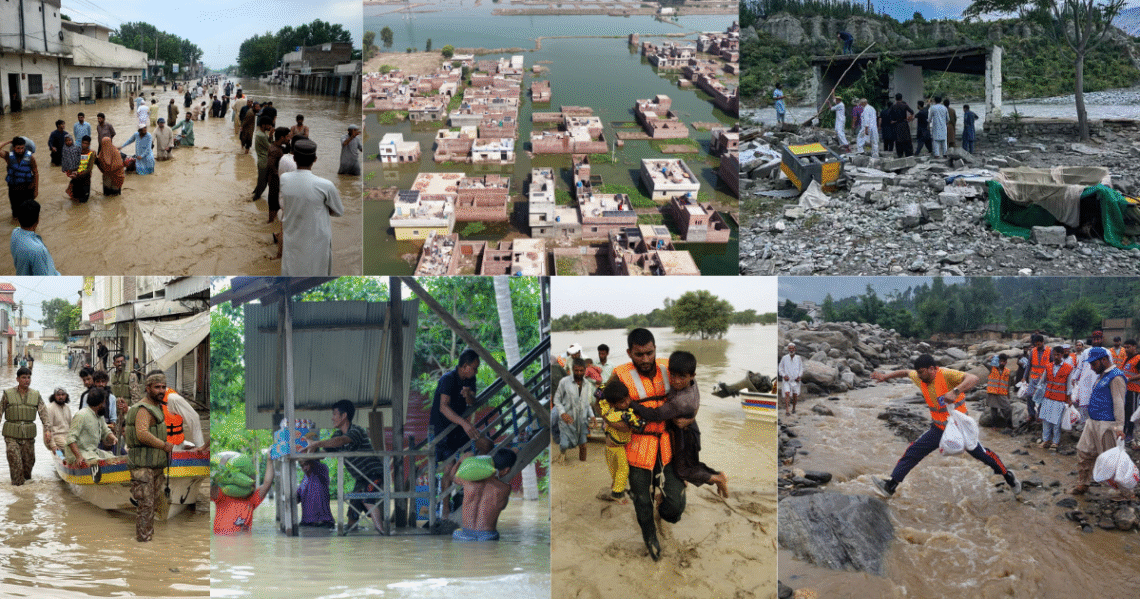
Pakistan has faced one of its hardest periods because of severe climate conditions. Specifically, excessive monsoon rains and unexpected cloudbursts have brought on catastrophic flash floods throughout the location. As a result, those activities have precipitated large destruction and a sad loss of lifestyles at some stage in the state.A massive wave of water hit the northwest province of Khyber Pakhtunkhwa, leaving whole communities in ruins.
Furthermore, in keeping with international humanitarian reviews, these floods have caused masses of deaths, with the Buner district struggling the most. Consequently, the floods swept away complete villages and washed out critical infrastructure, leaving thousands of people isolated without help. Ultimately, these flash floods tell a tale of sheer vulnerability and highlight the pressing need for global climate action.
The fatal Surge in Northern Valleys
The impact of the water became felt most deeply inside the mountainous regions. within the district of Buner, the state of affairs became a nightmare on an unmarried day.This location alone recorded over 225 fatalities.The pressure of the water was so significant that it felt just like the stop of the world to the ones living there. “Landslides flattened houses, and the rushing water swept away many people before they could find protection.
In villages like Bishnoi, boulders and debris buried citizens under their weight.The ground actually shook with the pressure of the dashing flow. Rescue groups, which includes navy and emergency personnel, labored tirelessly to save lives.Rescue teams saved over 25,000 people, yet many remained trapped in the difficult terrain.The isolation of those villages made alleviation efforts very sluggish. This tragedy highlights how quick a peaceful valley can turn into a zone of destruction.
The clinical Triggers of Flash Floods
Information about the purpose of those disasters is crucial for future protection. Pakistan is home to more than 7,000 glaciers, that is extra than nearly anywhere else out of the doors of the polar areas. Because of rising international temperatures, those glaciers are melting at an alarming rate. This process creates glacial lakes that could suddenly burst. The result is often a big wall of water that causes Flash Floods inside the valleys underneath.
Furthermore, the monsoon patterns in South Asia are changing. Current rains had been estimated to be 15–20% heavier than the historical average. Report-breaking cloudbursts inside the Himalayas have made the monsoon deadly for thousands and thousands. Warm air holds extra moisture, which leads to intense bursts of rain in a totally quick time. Scientists warn that Pakistan is now more susceptible to weather change than nearly any other kingdom. No matter emitting a tiny fraction of world greenhouse gases, the country is paying a heavy price for worldwide warming.
Vulnerability to Humanitarian catastrophe and worldwide Flash Floods.
The human tales that pop out of the tragedy are coronary heart-wrenching. A case in point is the tale of a one-year-old infant, Zara. The powerful current swept her away while her family tried to reach safety.Her mother and father and siblings additionally misplaced their lives. Her grandfather survived most effectively by mountaineering onto a roof, but he had to watch his own family disappear into the water. Such tales are not unusual in every province stricken by the rains.
Basic, as a minimum 6.nine million people were stricken by the present day disaster. lots of those people are actually living in remedy camps. They face acute shortages of easy water, remedy, and meals. Organizations like Americares are operating with nearby companions to offer hygiene kits and emergency funding. However, the scale of the want is massive. The threat of waterborne illnesses like cholera is a regular threat inside the aftermath. This vulnerability isn’t always pretty much the weather; it’s miles approximately the dearth of resources to handle such big shocks.
Economic Destruction within the Agricultural Heartland
The “breadbasket” of Pakistan, the Punjab province, also experienced severe flooding.Several meters of water submerged thousands of acres of farmland.This has created a large agricultural crisis for the kingdom. Plants like rice, cotton, and maize have been destroyed at some point of the height harvest season.
Crop Loss: Over 2.2 million hectares of cropland have been inundated country wide.
Farm animals: greater than 22,800 heads of livestock perished in the floods.
Meals fees: Wheat flour costs improved by 25% in just one week because of the lack.
The total financial damage is envisioned at an amazing $3 billion. They encompass the demolition of over 790 bridges and hundreds of kilometers of roads. It’s far an awesome blow to a rustic who is already suffering with socio-monetary turmoil. Farmers lost their device, their seeds and their livelihoods. The rehabilitation of the rural quarter is going to be time-ingesting and will need huge funding.
Governance, generation, and the direction to Resilience
The catastrophe has exposed huge gaps in catastrophe governance.
However, there may be desire within the use of era. At some point of the relief efforts, cell generation became used to accumulate information and share information. SMS brief-codes allowed employees to post facts about the needs of the population. Hotlines have been additionally installed to present beneficiaries a voice. Looking forward, there may be a desire to build local ICT capacity. Laptops and cell phones must be treated as essential equipment for disaster preparedness. By enhancing early caution systems, groups may be more organized to face the growing water.
what’s the primary purpose of the unexpected water surges inside the north?
The precept motives are excessive cloudbursts and the melting of glaciers, which cause glacial lake outburst floods in mountainous areas.
How many people did the latest flood activities impact?
Which sectors of the economic system suffered the maximum damage?
The agricultural sector suffered the maximum, with millions of hectares of plants destroyed and billions of greenbacks misplaced in infrastructure damage.
Why do experts consider Pakistan a climate change ‘hotspot’?
Pakistan is extremely prone because of its geography, together with its wide variety of glaciers and its dependence on the monsoon cycle, that’s becoming extra intense.
What are the maximum urgent needs for flood survivors?
Survivors urgently want clean eating water, cellular fitness clinics, emergency shelter, and meals to help get over the catastrophe.
Conclusion:
The impact of Flash Floods in Pakistan is a reminder of the fragility of our environment. The tragic loss of lifestyles in places like Buner and the destruction of the rural heartland have left deep scars on the country. whilst the water sooner or later recedes, the humanitarian and financial challenges stay for years. It’s far clear that the state is on the front line of the worldwide climate disaster. To survive, there has to be a focal point on building resilience through technology and better governance. The international community needs to additionally play its component in assisting vulnerable nations. Handiest via collective movement are we able to protect families from the terrifying pressure of destiny Flash Floods. The journey to restoration is long, however with the proper gear and support, a more secure future is viable.