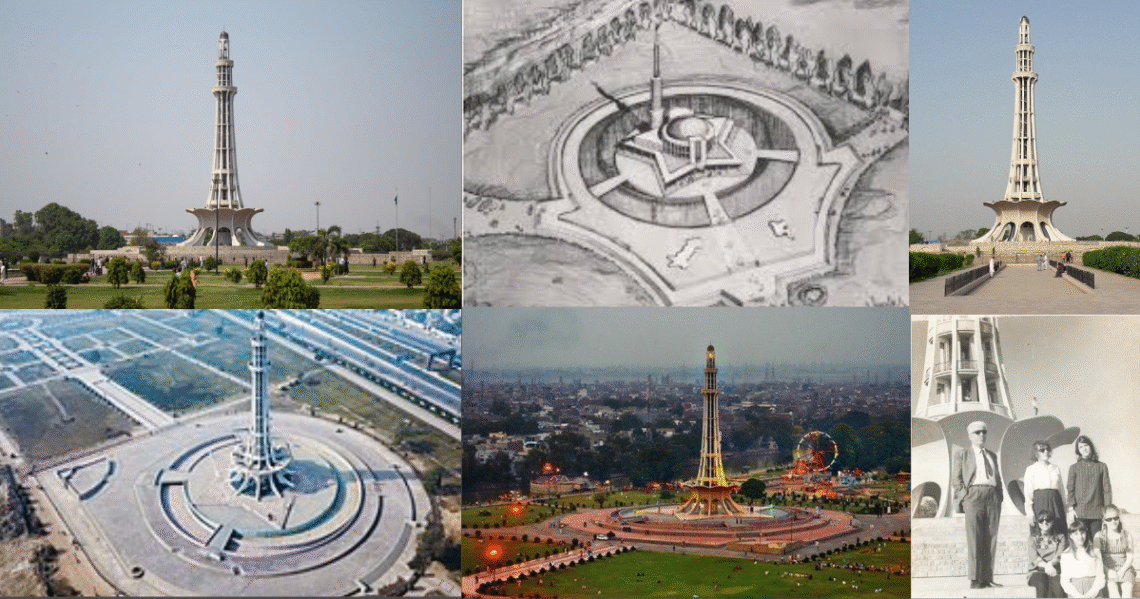
To begin with, Minar-e-Pakistan is always more than just a tall building; moreover, it serves as a powerful image of freedom and wish for the human beings of Pakistan. In addition to its symbolic price, this lovely monument stands in the coronary heart of Lahore, specifically inside the famous extra Iqbal Park. Traditionally speaking, the All-India Muslim League exceeded the historic Lahore resolution at this very spot on March 23, 1940. Consequently, our leaders laid the muse for a separate country on this day, thereby converting the direction of records all the time. On that ancient day, the Muslims of British India demanded a separate united states of america, which in the long run caused the birth of Pakistan in 1947. Nowadays, Minar-e-Pakistan stands as a reminder of the superb sacrifices made by our leaders, making the Minar-e-Pakistan history an essential part of our national identity.
Truely, whilst you go to this tower, you sense a deep sense of pride. It stands 70 meters extra and also offers a cute view of the vintage town. Many human beings call it the “Liberty Tower of Pakistan.” Whether or now not you’re a student of history or a visitor, this landmark has hundreds to provide. Moreover, the area throughout the tower is packed with lush inexperienced gardens and historical homes. on this guide, allow’s dive deeper into the tale and structure of this country wide treasure.
Exploring the Early Minar-e-Pakistan History
Architectural Design of the Iconic Tower of Pakistan
Furthermore, the shape of the tower is a beautiful blend of Islamic, Mughal, and cutting-cut modern patterns. A Russian-born Pakistani architect, Nasreddin Murat-Khan, designed the tower. Furthermore, the architect shaped the tower’s base like a blooming flower, which represents the use of a boom and prosperity. Further, the tower has ten unfolding petals that offer it a completely easy and sleek look. Interestingly, the authorities accrued budget for this venture via a small tax on cinema and horse racing tickets, as a consequence proving that the tower actually belongs to the humans.
Unique Stones Used in the Pakistan Monument
In truth, one of the most thrilling parts of the Minar-e-Pakistan’s layout is its base. There are four platforms, and actually, each one tells a specific degree of the freedom adventure:
First Platform: Built with uncut stones from Taxila, representing the commonplace-or-lawn and difficult starting of the battle.
SecondPlatform: Product of hammer-dressed stones, thereby displaying the difficult artwork and determination of the human beings.
Third Platform: Built with chiselled stones, thus depicting the improvement of the Pakistan movement.
Fourth Platform: Manufactured from polished white marble, in the long run symbolizing final achievement and the advent of a natural land.
Greater Iqbal Park: A Modern Site for the National Landmark
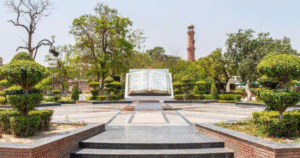
Presently, the tower stands in Iqbal Park, previously referred to as Minto Park. The number one contractor for this huge assignment modified into Mian Abdul Khaliq, and consequently, the development charge changed into around seven million Pakistani rupees.Nowadays, the park is a vibrant workout spot providing lush lawns, dancing fountains, and the National History Museum.Inside, cricket legends like Wasim Akram used to play here, and now it attracts lots of households each weekend.
Travel Guide: Visiting the Minar-e-Pakistan Site Today
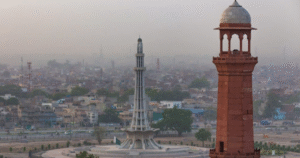
Badshahi Mosque: A Mughal masterpiece built with the aid of “King”Aurangzeb.
Lahore fort (Shahi Qila): A UNESCO worldwide records internet website positioned right subsequent to the mosque.
Tomb of Hafeez Jalandhari: the writer of Pakistan’s national Anthem is buried proper here within the park.
Shalimar Bagh: A brief pressure away, consequently this Persian-fashion lawn is a must-see.
Who became the architect of the decrease again of Minar-e-Pakistan?
Furthermore, a talented Russian-born architect, Nasreddin Murat-Khan designed the tower; ultimately, he settled in Pakistan and proudly became a citizen.
How long did it take to construct the monument?
The team began the work on March 23, 1960, and successfully finished the final project on October 21, 1968, completing the construction in exactly eight years.
How tall is Minar-e-Pakistan?
The whole top is 70 meters (230 ft). This consists of the sixty two-meter primary tower and the eight-meter immoderate base systems.
Why are the bottom systems built with specific stones?
Basically, every platform uses a selected stone to represent a stage of the Pakistan movement—beginning from rough, uncut stones and finishing with herbal, polished white marble.
Can visitors attain the pinnacle of the tower?
Yes, the management allows visitors to reach the pinnacle. Specifically, you can use the stairs for walking, but the park also provides an elevator for your convenience.
conclusion:
Minar-e-Pakistan is a true architectural and historical wonder.To understand the nation’s roots, one must study the Minar-e-Pakistan history. This landmark has a deep connection to the 1940 resolution. Frequently called the “Tower of Pakistan,” it reflects the unity and strength of our country. Initially, people gave it this name because it beautifully represents the nation’s harmony.
Moreover, its historic walls have witnessed each essential political rally since the landmark 1940 decision. Similarly to its political weight, the monument serves as the genuine soul of Lahore, flanked by the long-lasting Badshahi Mosque and Lahore fortress. Therefore, if you want to experience the heartbeat of Pakistan’s records, touring greater Iqbal Park provides an adventure that you’ll recall forever.